Masters Swimming After 40: How to Train Smarter
Masters swimming after 40 is not about slowing down; it is about training with more intelligence and less ego. The biggest changes usually come from recovery, mobility, and how you manage your workload, not from a sudden loss of ability.
Swimming remains one of the best sports for lifelong fitness because it rewards technique, consistency, and patience. That makes it especially well suited to adult swimmers who want progress without the wear and tear that often comes with high-impact training.
What Changes After 40
The first thing most swimmers notice is recovery. As people age, muscle protein synthesis tends to slow, so a hard session can leave you more fatigued for longer than it did in your 20s or 30s. That does not mean you should train less seriously, but it does mean you should plan recovery as part of the workout.
Mobility can also change. Connective tissue becomes less elastic over time, which can affect shoulder rotation, hip position, and back comfort in the water. For many Masters swimmers, this shows up as a stroke that feels a little tighter, especially when volume or intensity climbs too quickly.
Cardiovascular capacity changes too, but not in a way that removes your potential. VO2 max tends to decline gradually with age, yet swimming remains highly trainable well into later decades. In practice, this means older swimmers can still make strong gains when training is consistent and well structured.
What Stays The Same
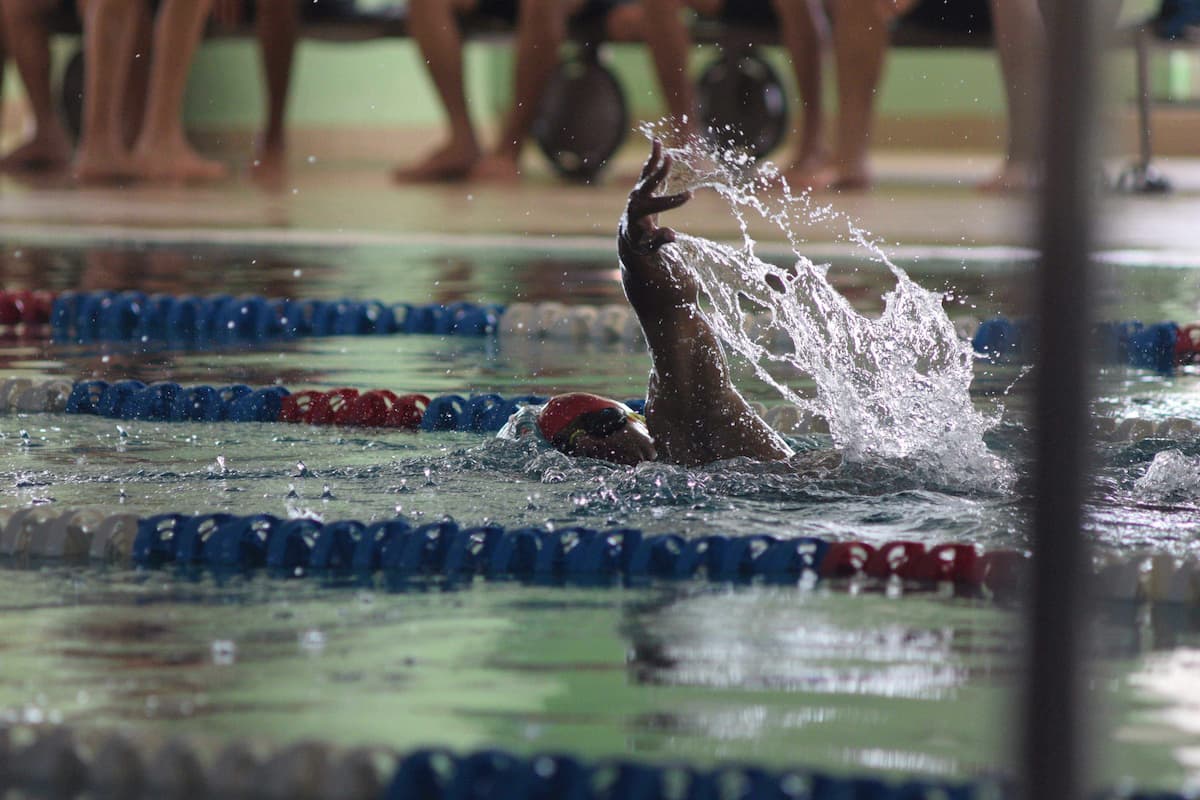
Technique still matters more than almost anything else. Efficient body position, clean catch mechanics, and controlled breathing will always deliver more speed than brute force alone. This is one of the reasons Masters swimming can be so satisfying: better habits compound over time.
The mental benefits stay strong too. Many adult swimmers still love the rhythm, the pressure release, and the steady focus that swimming creates. The pool can be one of the few places where training feels restorative instead of punishing.
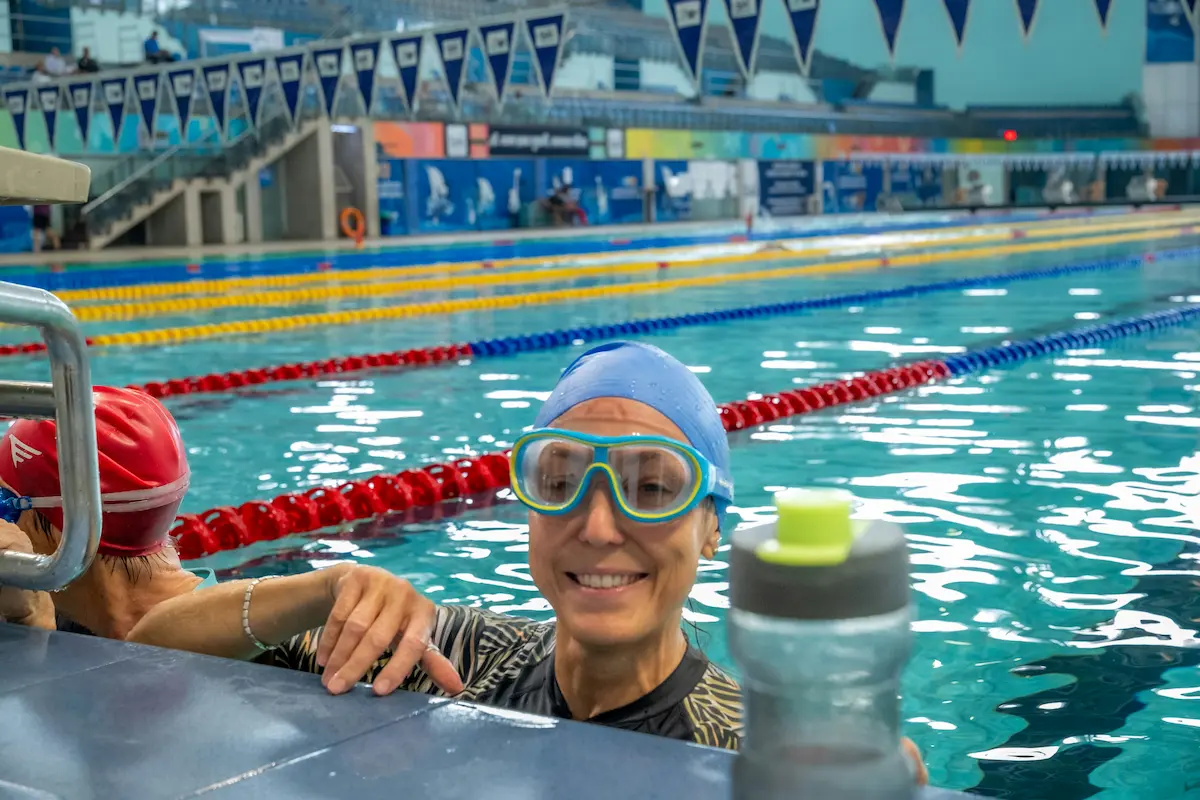
Community is another constant. Masters swim groups are often described as supportive rather than competitive, and that environment helps many swimmers stay consistent for years. For adults balancing work, family, and training, that support can matter as much as the coaching.
Smarter Training Adjustments
The best adjustment after 40 is usually not more volume, but better balance. Hard sessions should be separated by enough recovery that you can absorb the work and return with quality. If you keep stacking fatigue on fatigue, technique is often the first thing to break down.
Heart rate and perceived effort can be useful tools. Pace alone can be misleading if you are tired, stiff, or coming back from a layoff. A session that feels controlled and repeatable is often more valuable than one that looks impressive on paper.
Strength work also helps. Light resistance training and mobility work can support muscle mass, joint health, and movement quality, especially when combined with regular swimming. You do not need a complicated gym plan; you need something you can recover from and repeat.
A simple rule is to protect warm-up, cooldown, and rest. Many older swimmers benefit from spending a little longer preparing the body before faster work and a little longer calming it down afterward. That small habit can make the difference between steady progress and nagging soreness.
Common Mistakes
One common mistake is treating soreness like a badge of honour. Pain and normal training fatigue are not the same thing, and ignoring pain usually leads to a longer break later. Masters swimmers often do better when they adjust early rather than pushing through every warning sign.
Another mistake is assuming swimming alone will solve all strength loss. Swimming is excellent for endurance and technique, but it does not replace land-based resistance if the goal is to maintain muscle and support long-term resilience. That is especially relevant after 40, when preserving strength becomes more important.
A third mistake is believing it is too late to start seriously. The research and coaching experience behind Masters swimming both point in the same direction: adults can begin, improve, and enjoy the sport at almost any age. Many swimmers discover their most rewarding years only after they stop comparing themselves with younger athletes.
Why It Pays Off
The rewards go beyond fitness. Better sleep, mental clarity, social connection, and a stronger sense of independence are all part of the Masters swimming lifestyle. Those benefits often become more valuable, not less, as life gets busier.
There is also a practical reward: swimming is sustainable. Because it is low impact, many swimmers can keep training for decades with fewer interruptions than they would face in more punishing sports. That long runway is one of the strongest arguments for staying in the pool.
Progress may look different after 40, but it is still progress. A cleaner turn, a steadier pace, better repeatability, or simply finishing a session feeling strong can all count as wins. For adult swimmers, those wins often add up to the best training years of all.