What Elite Swim Racing in 2026 Teaches Adult Swimmers About Smarter Technique
Elite swimming always gets people talking because the racing is fast, the margins are small, and the technical details matter. But for adult swimmers, the lesson is not to copy what the fastest athletes do in full. The useful part is understanding which habits actually create speed and which are only possible because elite swimmers have years of training behind them.
That distinction matters. Many adult swimmers watch top-level racing and assume they need more effort, more volume, or a more aggressive stroke. In reality, the biggest lessons are usually simpler: better efficiency, better pacing, and cleaner movement through the water.
Technique still wins
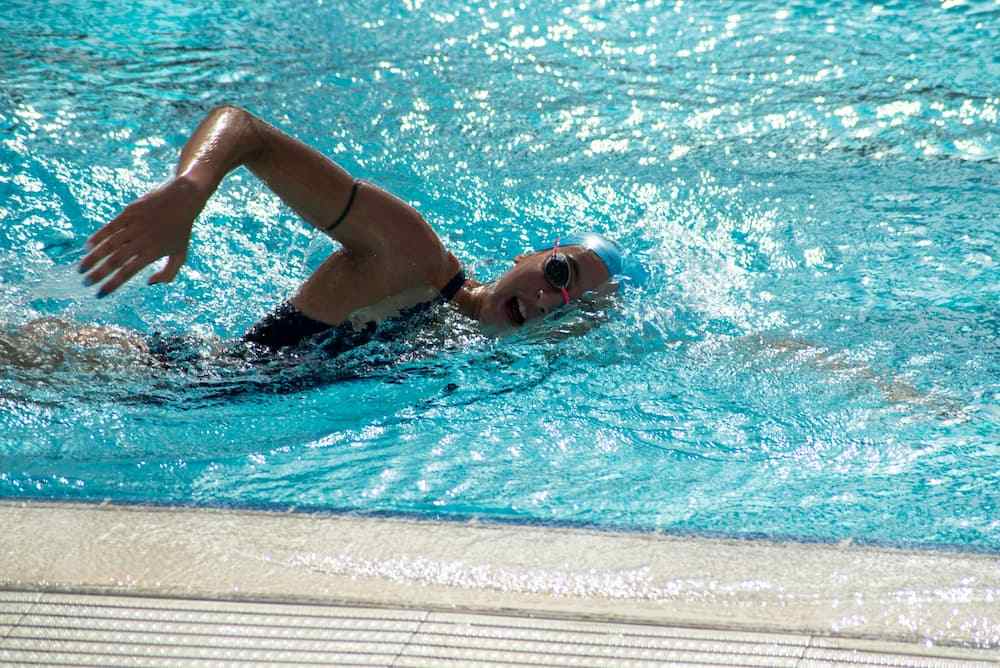
One of the clearest things elite racing shows is that speed is not just about fitness. The best swimmers are still the ones who move well, hold form under pressure, and waste as little energy as possible. That is true in sprint races, distance events, and everything in between.
For adult swimmers, this is a useful reminder. You do not need to train like an Olympian to benefit from the same principle. A cleaner body position or a better catch can often make a bigger difference than trying to force harder swimming.
Starts, turns and underwater work matter
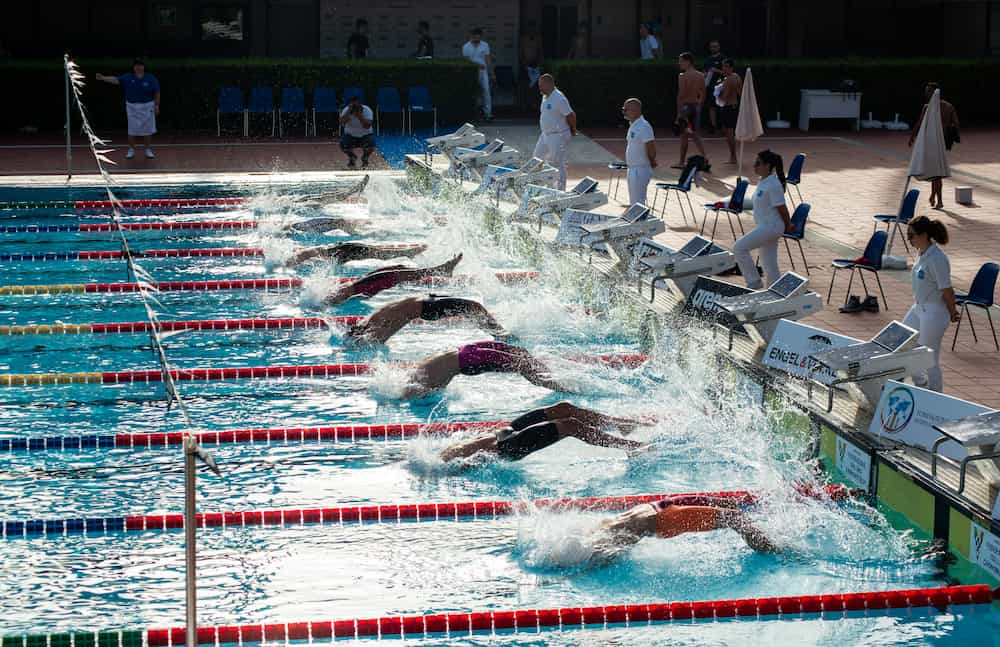
At elite level, races are often won or lost around starts, turns, and underwater phases. Those moments do not look dramatic to most spectators, but they save or cost a huge amount of time. The best swimmers treat every wall as a chance to gain speed without extra effort.
Adult swimmers can learn from that idea even if they are not racing. A more streamlined push-off, a better turn, or stronger underwater control can make swimming feel smoother and less tiring. You do not need to dive like a world-class sprinter to improve the quality of your walls.
Pacing is smarter than panic
Elite racing also shows that good pacing matters. Swimmers who start too hard often pay for it later, even if they look impressive early on. The best performers usually know how to control effort, hold form, and finish strongly.
That is especially relevant for adult swimmers who tend to swim too hard too soon. Many people try to power the first half of a length and then fall apart by the end. Better pacing often feels less dramatic but produces better results.
If you want help building that kind of control, 1-to-1 swim coach support can help you work on stroke rhythm, pacing, and race-like effort without guessing.
Breathing should stay calm
Another thing elite swimming highlights is breathing discipline. Fast swimmers do not look frantic when they breathe. Their body position stays organised, their timing stays consistent, and they keep the stroke moving.
Adult swimmers often make breathing harder than it needs to be. They lift the head, hold the breath too long, or tense up as soon as the pace rises. That makes the stroke expensive very quickly.
If breathing is the part that breaks down first, how to breathe in front crawl is a useful companion read. The goal is not to breathe like an elite athlete on day one; it is to make breathing predictable and calm enough to support the stroke.
Strength is useful, but it is not the whole picture
Elite swimmers are strong, but their strength only matters because it is applied well in the water. Power without position does not do much. That is one reason technique remains the foundation of fast swimming.
For adult swimmers, this is reassuring. You do not need to become more muscular just to swim better. You need enough strength to support a stable stroke, but the bigger gains usually come from moving with more control and less drag.
This is where a coach can help identify whether the limiter is fitness, strength, or stroke mechanics. Often it is a mix, but technique usually gives the quickest return.
What adult swimmers should not copy
The mistake many people make is copying the visible part of elite swimming without the base behind it. That means trying to train too much, swim too hard, or mimic stroke rate without understanding why it works. What looks simple from the side often took years to build.
Adult swimmers should avoid copying:
- Excessive training volume.
- Overly aggressive pacing.
- Stroke changes that reduce comfort without improving efficiency.
- Breathing patterns they cannot sustain.
- Race habits that only work at elite speed.
The better approach is to borrow the principle, not the whole method. If a top swimmer is efficient, ask how to improve your own efficiency rather than trying to match their exact stroke.
Where this helps most
This kind of thinking is especially useful for adult improvers, triathletes, and returning swimmers. Those groups often need smarter swimming, not more swimming. The gains come from getting more out of each length rather than simply adding more lengths.
If you are rebuilding your stroke or want clearer technical direction, private swimming lesson is often the fastest way to spot the details that matter most. If you are newer to structured training, adult swimming lessons North London can help you build the basics before you think about higher-level work.
Elite swimming is inspiring because it shows what is possible. For adult swimmers, the real takeaway is simpler: the fastest progress usually comes from better technique, calmer pacing, and fewer wasted movements.